Corporate Housing Proposal: Exclusive Residential Offer for Executives of Rail Vikas Nigam Ltd
Premium 2BHK Residences at Solitairian City : A Smart Residential Investment & Lifestyle Opportunity @ Jaypee Sports City, Yamuna Expressway.
We are pleased to present an exclusive residential opportunity for the executives and officers of Rail Vikas Nigam Ltd at the premium residential development Solitairian City, having 100% paid-up land. The project has received Best Project award from Builder Council of India & International Achiever Award in Real Estate Category from Zee Group
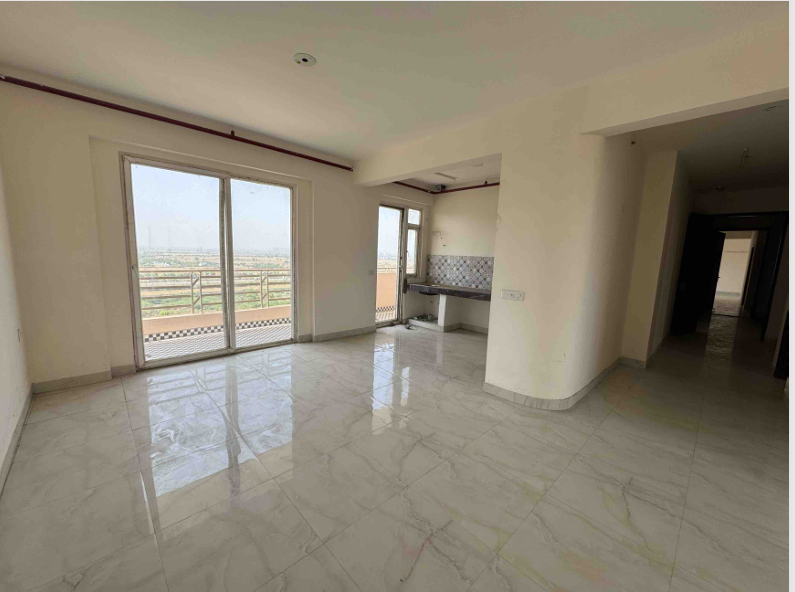
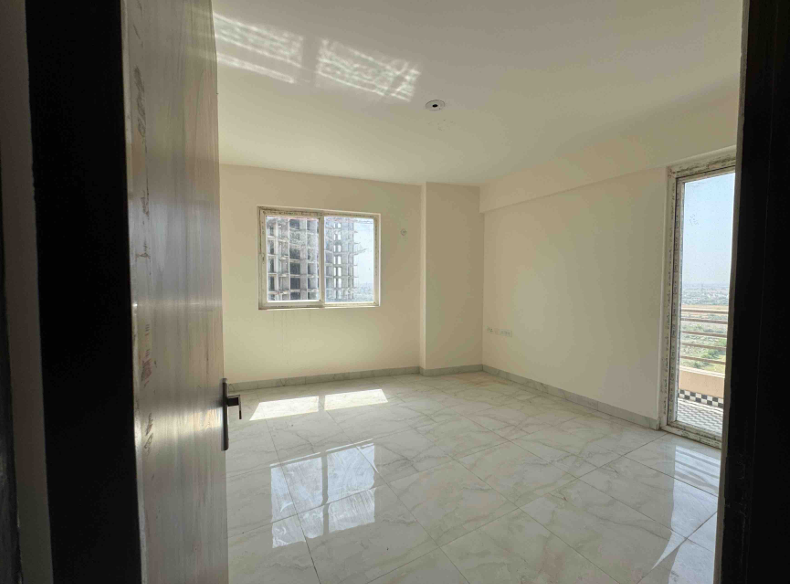
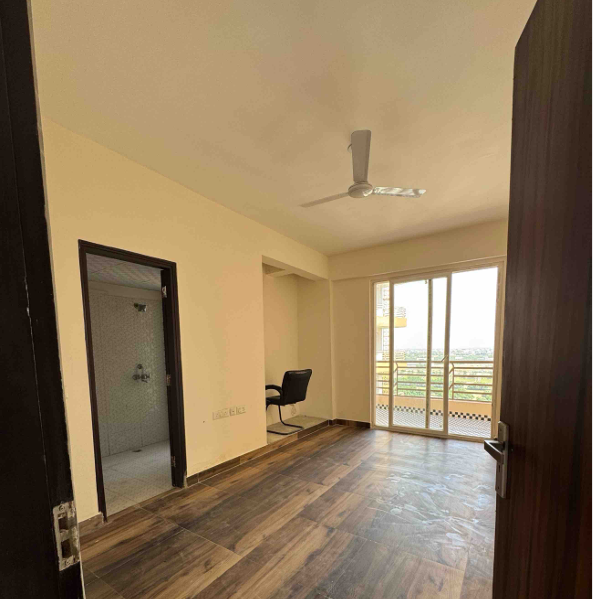
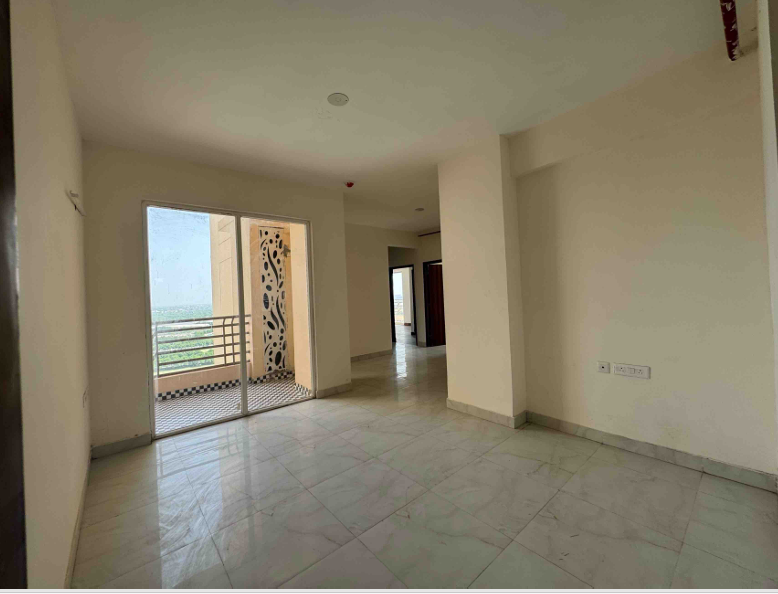
This modern high-rise residential society offers spacious 2BHK premium apartments designed for comfortable family living, located within convenient driving distance of Noida.
Strategic Location Advantage
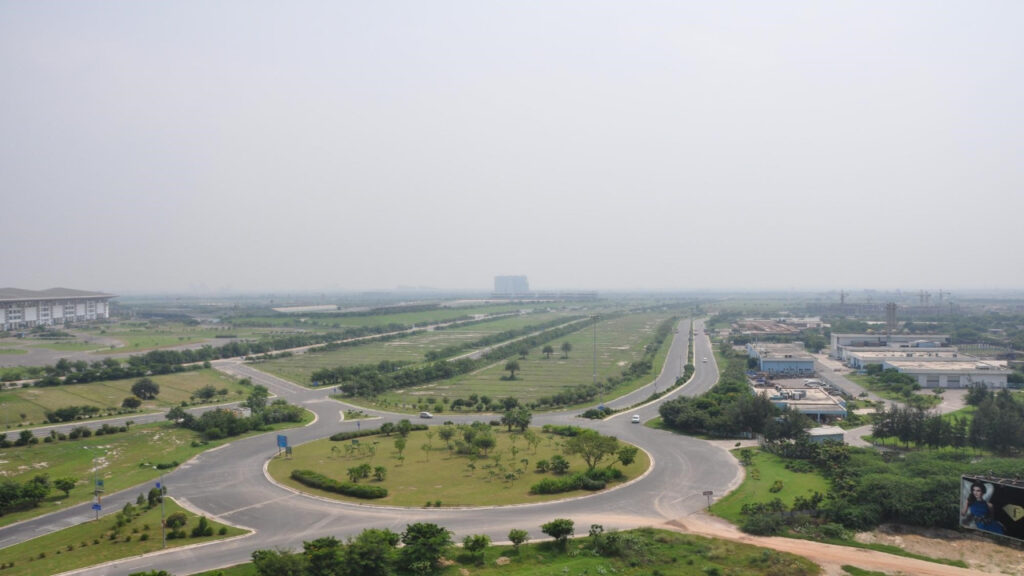
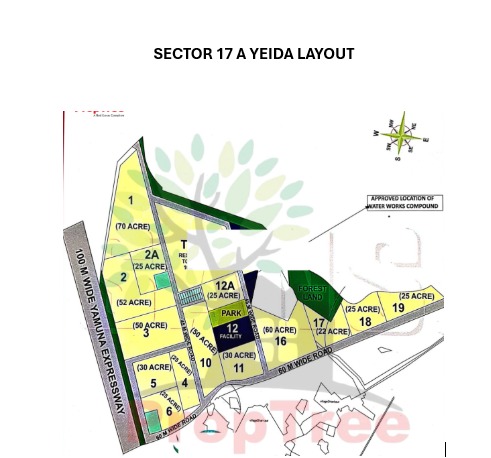
• Located at Jaypee Sports City, SDZ-25, Yamuna Expressway, Gautam Budh Nagar—just 309 meters from Buddh International Circuit • Excellent connectivity to: ◦ Eastern Peripheral Expressway ◦ Yamuna Expressway ◦ Upcoming Noida International Airport (set to become operational in early 2026) ◦ Delhi NCR employment hubs This makes Solitairian City an ideal residential choice for working professionals and government executives.
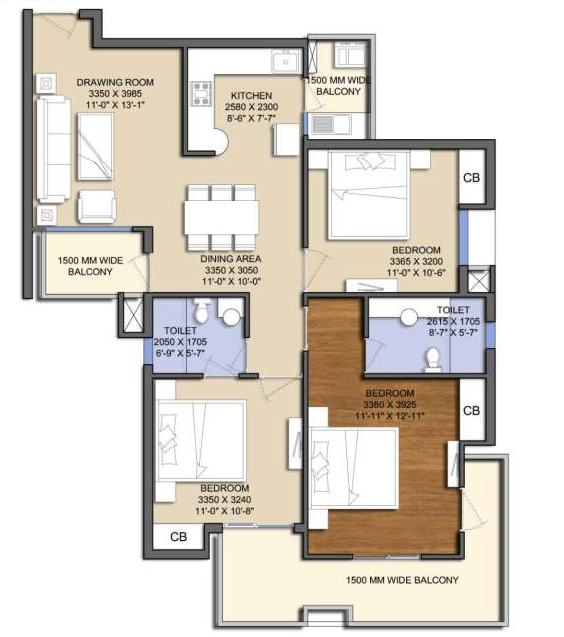
Ideal For 2BHK (Configuration) 1000 Sq. Ft. (Super Area) Young professionals / small families
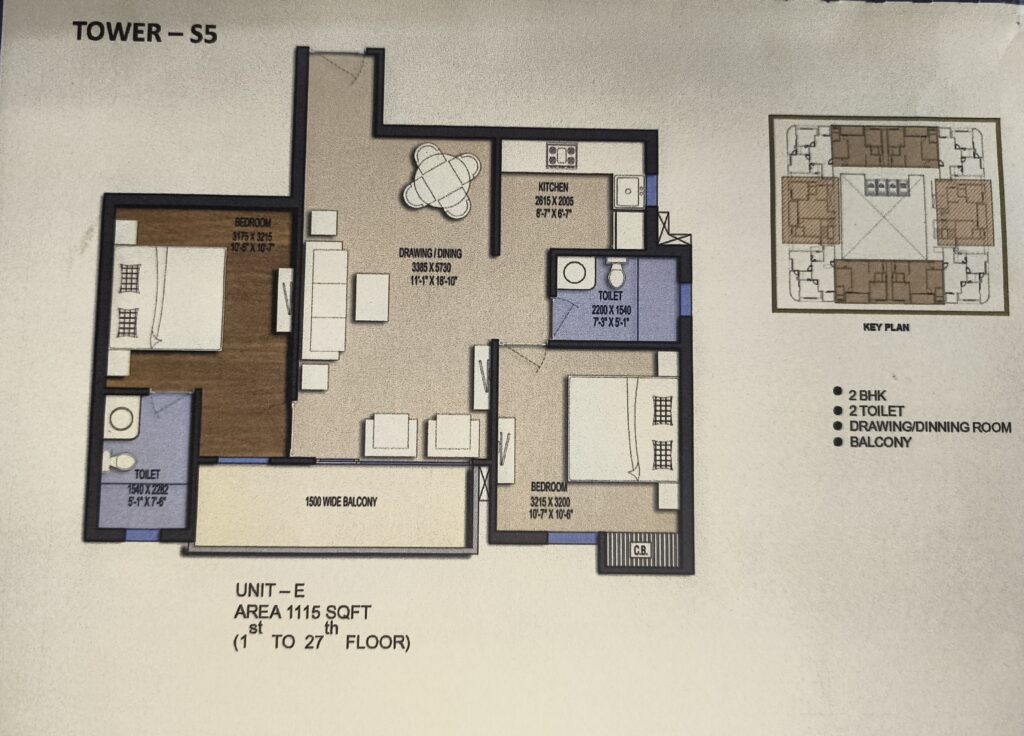
2BHK Large (Configuration) 1115 Sq. Ft. (Super Area) Families seeking extra living space
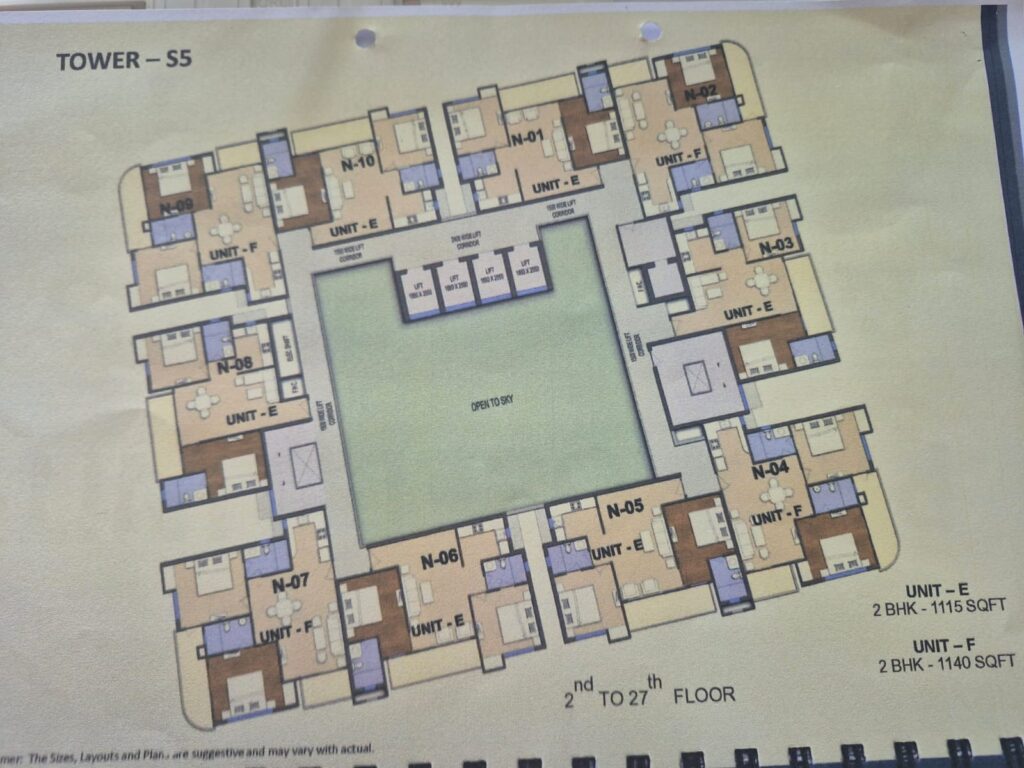
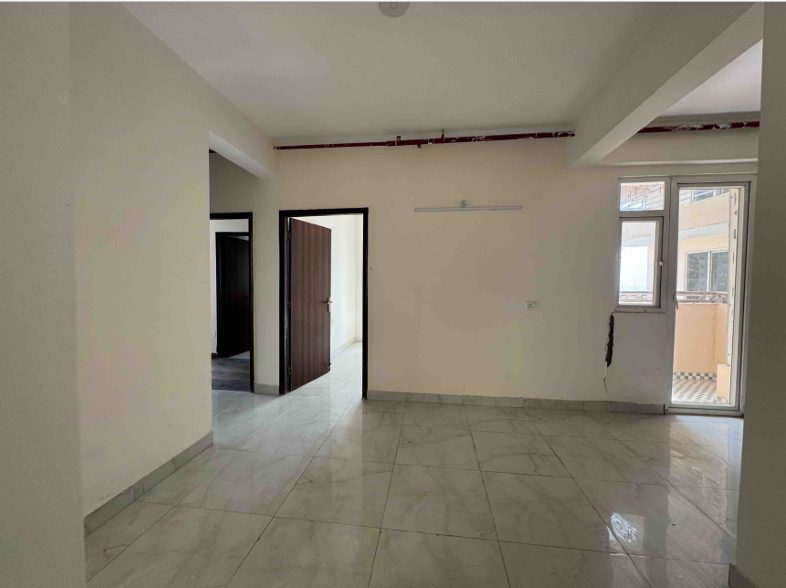
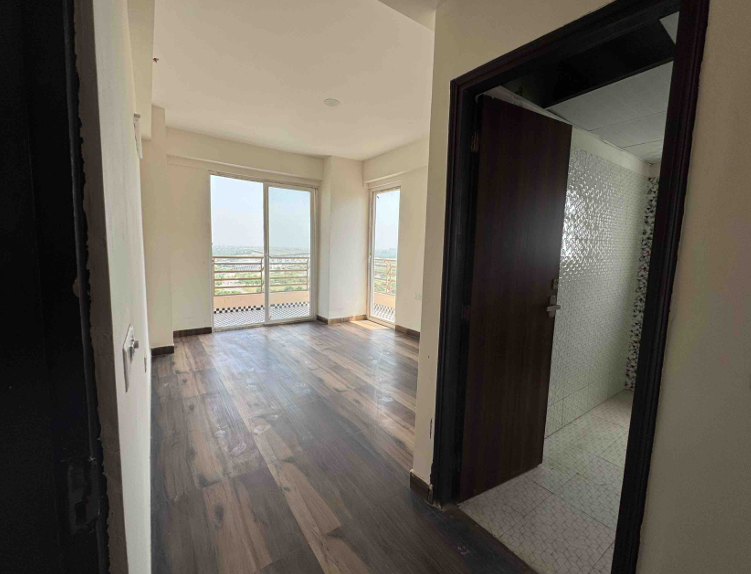
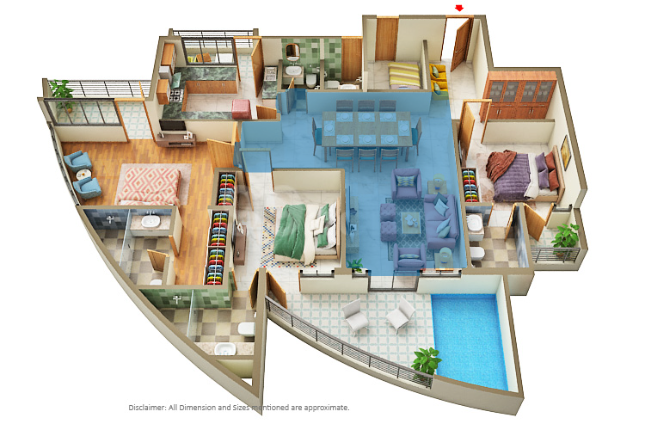
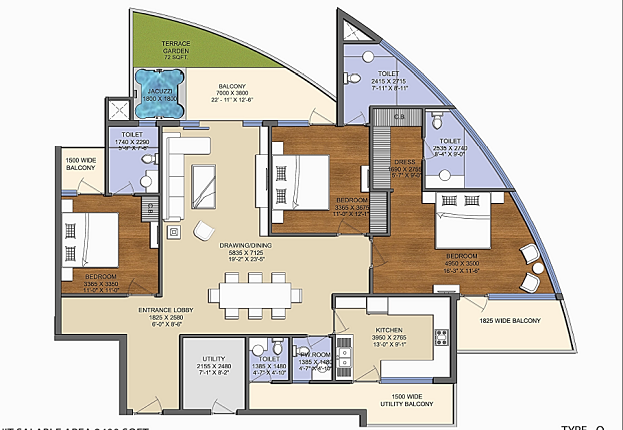
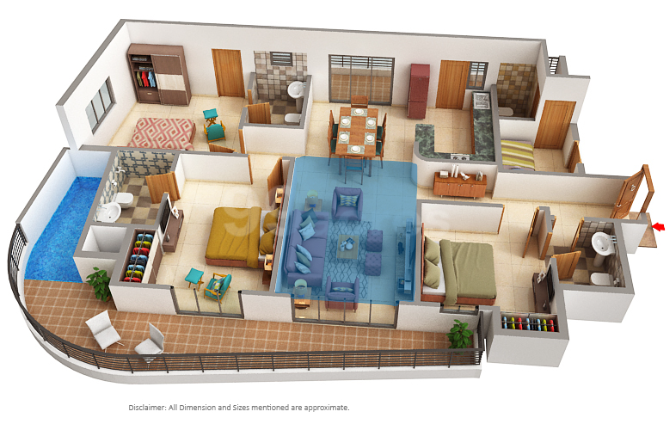
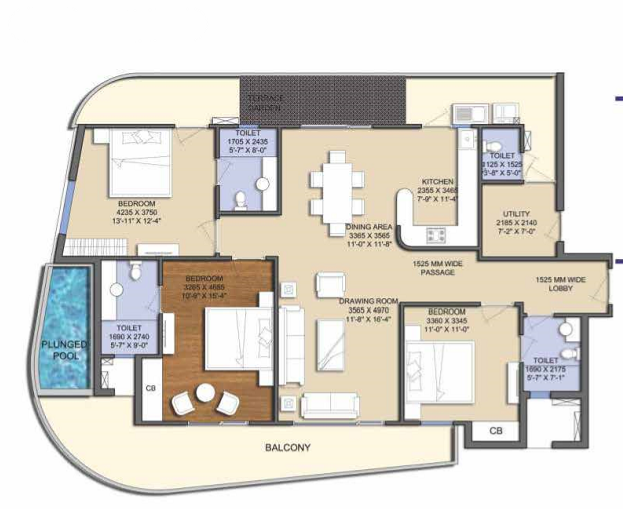
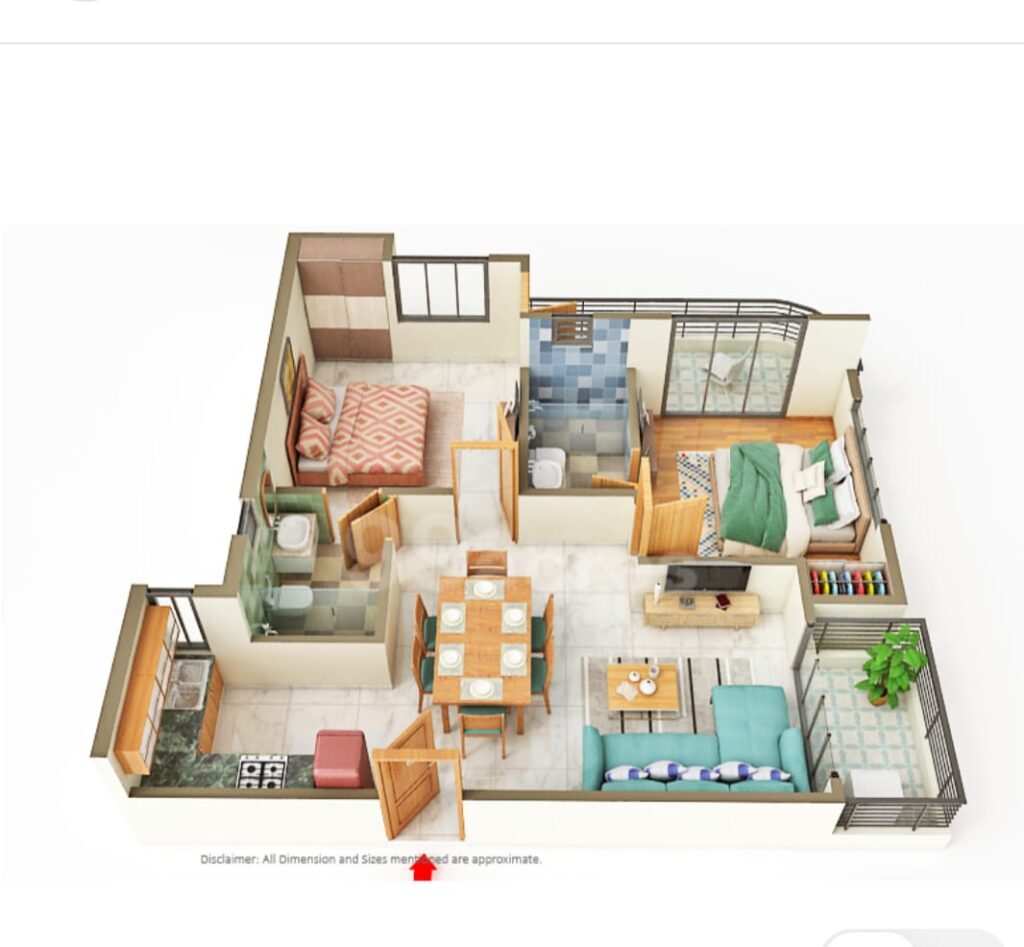
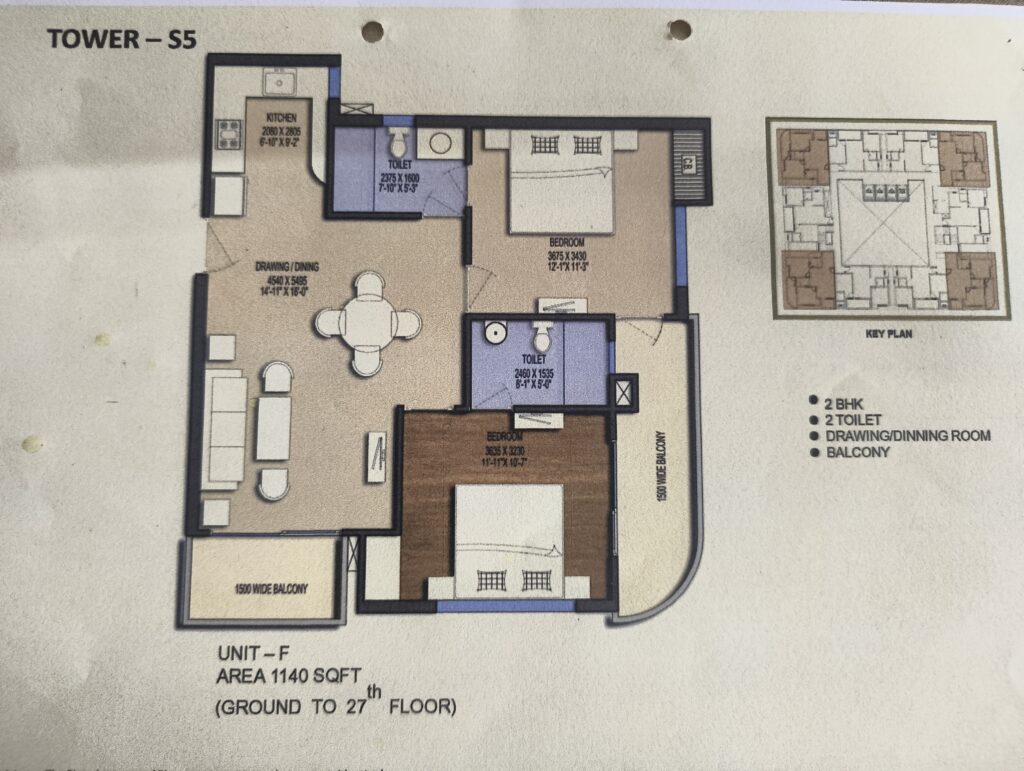
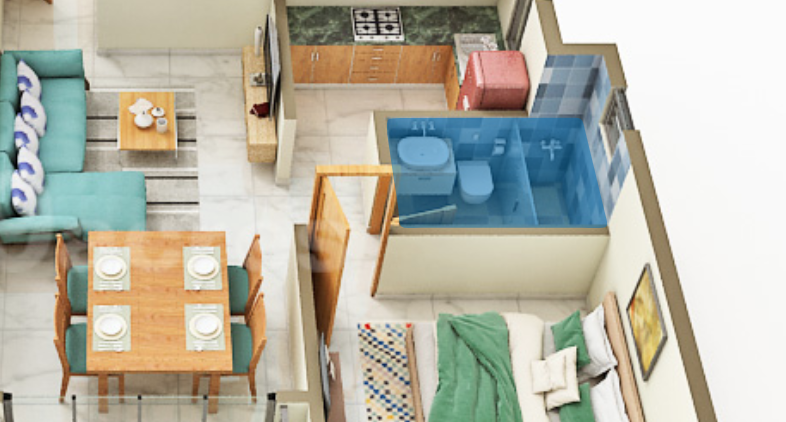
Both layouts are designed to maximize ventilation, natural light, and modern urban living comfort. (Refer to enclosed floor plans for detailed layouts.)
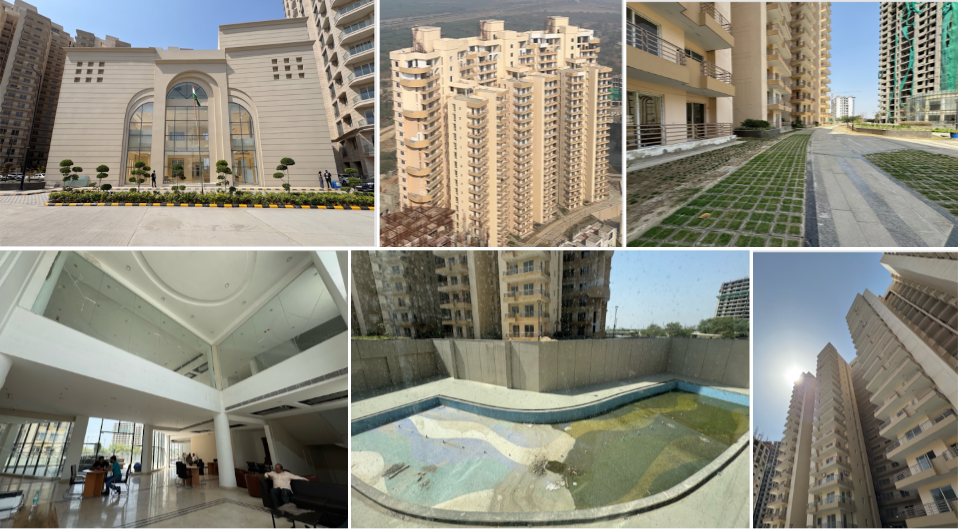
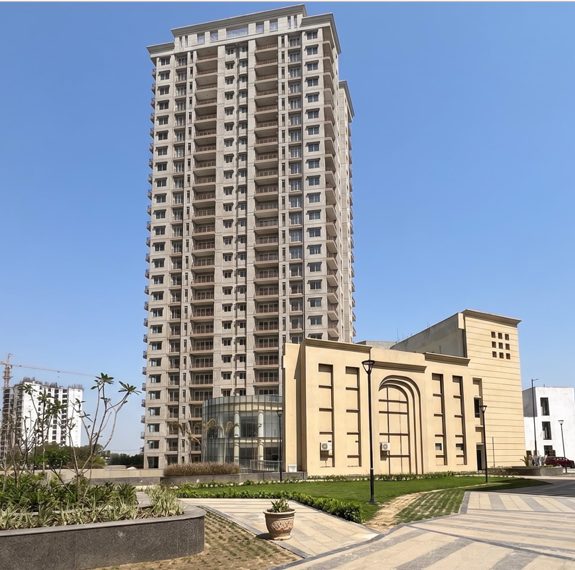
Key Features of the Project • Modern high-rise towers with panoramic balconies • Elegant entrance lobby and secure gated community • Ample natural light and ventilation in all apartments • High-speed elevators and power backup • Landscaped open areas • Dedicated parking facilities • Family-friendly residential environment
The project is designed to offer a comfortable, safe, and premium lifestyle for professionals and their families.
Exclusive Pricing for RAIL VIKAS NIGAM LTD Executives:
Market prices range from ₹9,500 to ₹10,000 per sq. ft. We are offering at a special rate of ₹8,400 per sq. ft. all inclusive (including 1 Basement Car Parking + Club Membership + 1.5KVA Power Backup and all PLCs). Government levies like GST & Registration Charges will be charged at actuals. The offer is valid only till 11th May, 2026.
Enclosed: Video compilation with actual project photos featuring our members—Mr. Sharad Sachan (former IPS & Inspector General of Police) and Dr. D K Jha (former Director Medical Services, Coal India).
Home Loan Facility Available For the convenience of executives, Home Loan Facility is available only from Canara Bank, subject to standard eligibility and banking norms. This enables buyers to avail: • Competitive interest rates • Flexible repayment options • Smooth loan processing for salaried professionals
Investment Returns and Future Potential on Yamuna Expressway:
The Yamuna Expressway corridor has delivered exceptional returns, with apartment prices surging 2.5X—from ₹3,950 per sq. ft. in 2020 to ₹10,200 per sq. ft. in 2025—driven by infrastructure boom. Plot prices have jumped sixfold to ₹10,500 per sq. ft. in the same period. With the Noida International Airport inaugurated & operations to start by May 26, multi-connectivity via Delhi-Mumbai Expressway (including the new 30 km Jewar Airport Link awarded to APCO Infratech), and upcoming metro links (buildable in 1.5 years), this area is poised for 20-30% annual appreciation. Businesses like Bikanervala, Kent RO, and Avery Dennison are already investing, signaling a “Gold Rush” for real estate.
Solitarian City offers near ready-to-move-in potential with applied OC application, ensuring high yields for early investors.
Why This Opportunity is Ideal for AAI Executives
✔ Close proximity to Noida Head Office ✔ Spacious modern apartments suitable for family living ✔ Strong future appreciation due to infrastructure development ✔ Easy home loan availability through nationalized bank ✔ Premium residential community environment
With major developments like the Jewar Airport and enhanced expressway links, this location promises significant value growth.
Invitation for Site Visit Executives of AAI are warmly invited to schedule a personal site visit to experience the project, view sample apartments, and understand the investment potential. For further details, floor plans, pricing, and visit scheduling, please contact:
Saxena V M /
9990623304
Varma R
7678480014 General Secretary/ Treasurer Petroleum, Coal and Banking Executives Welfare Society pcb.net.in Or email: contact@pcb.net in
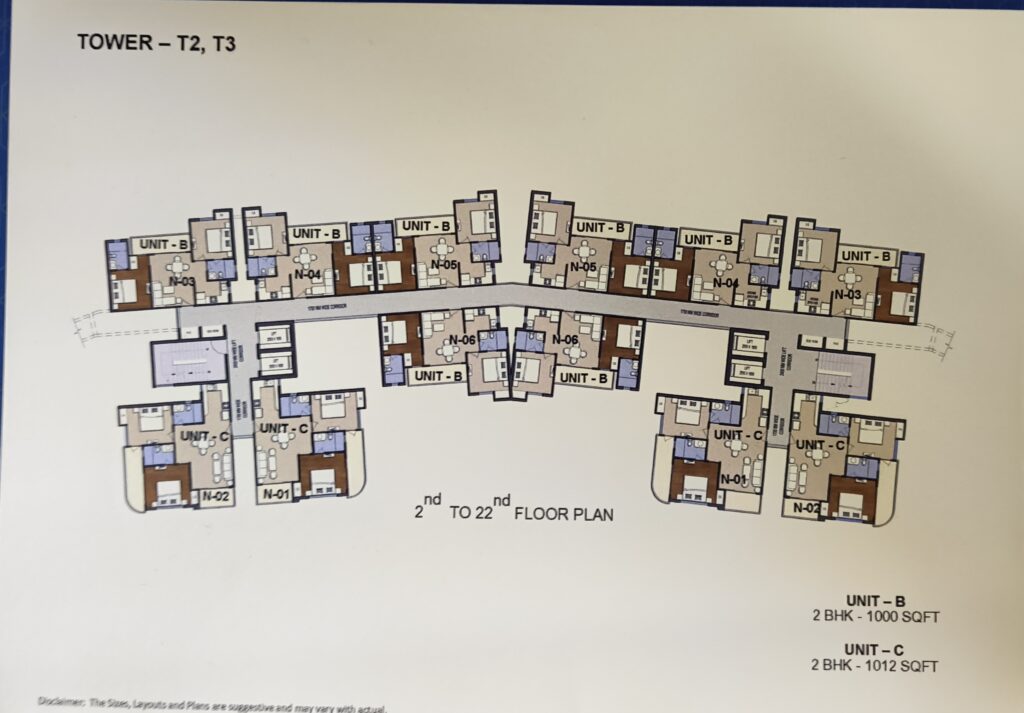
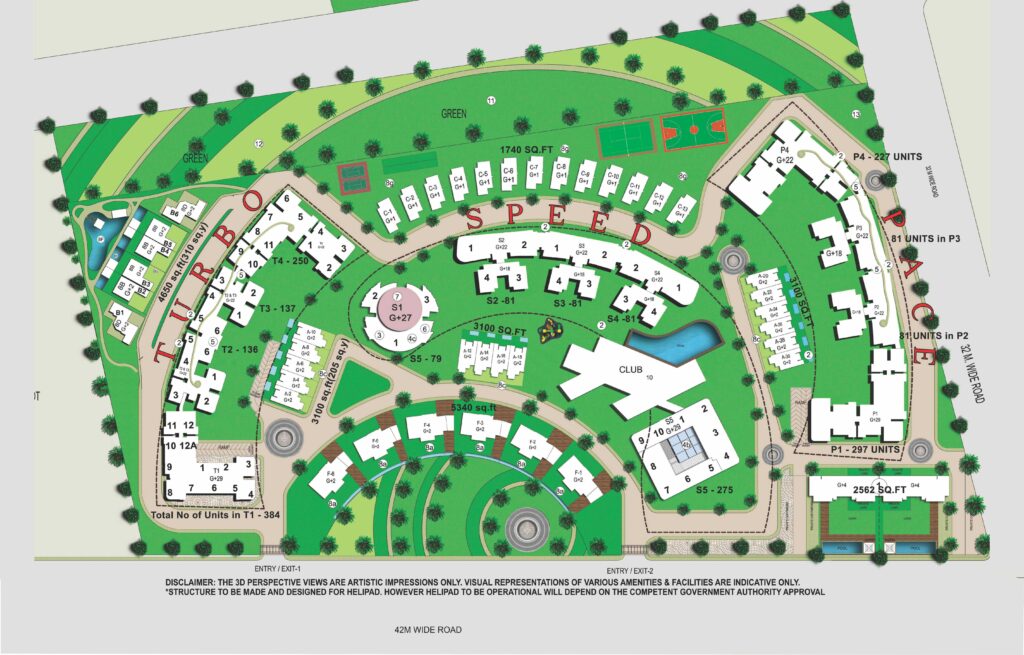
Towers Layout Turbo T2- T3
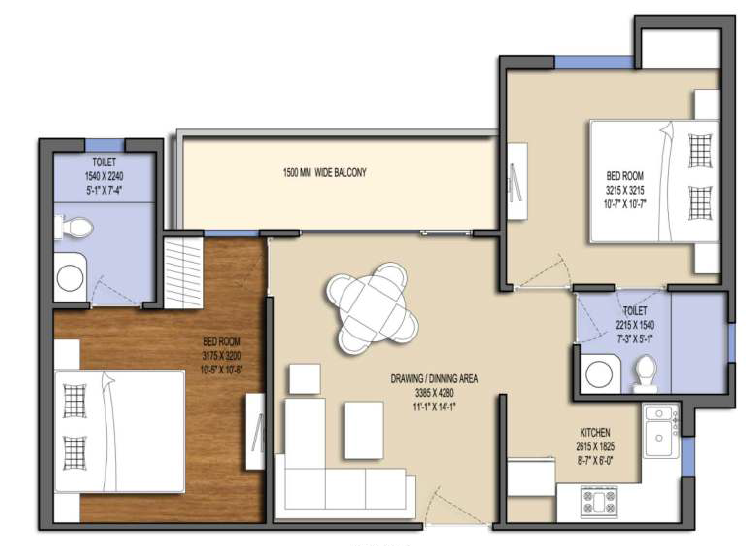
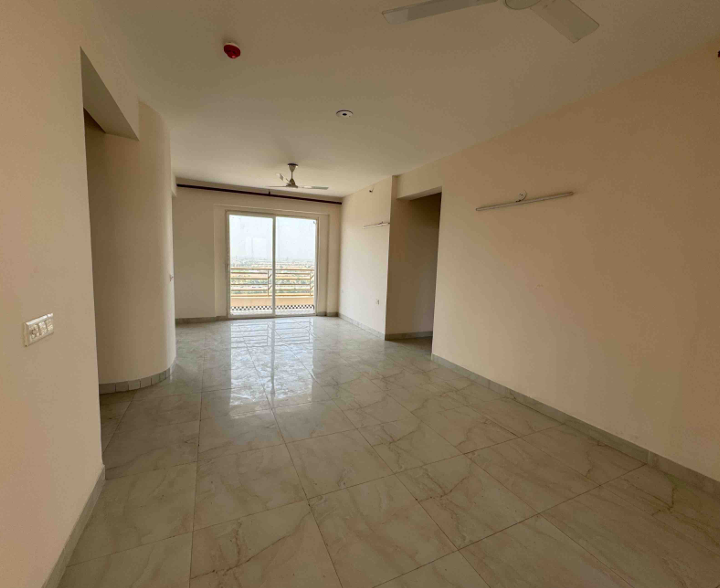
1000 Sft 2 BHK Carpet Area 631.41 Balcony 76.1sft
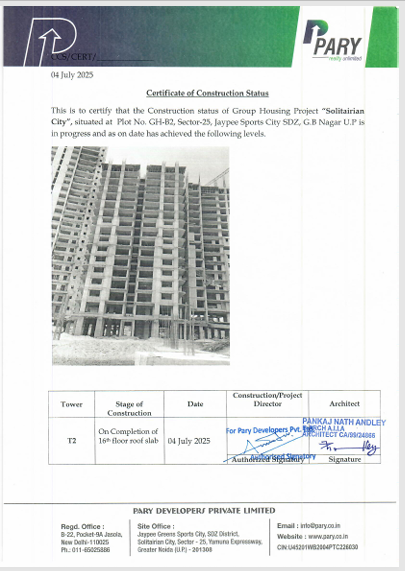
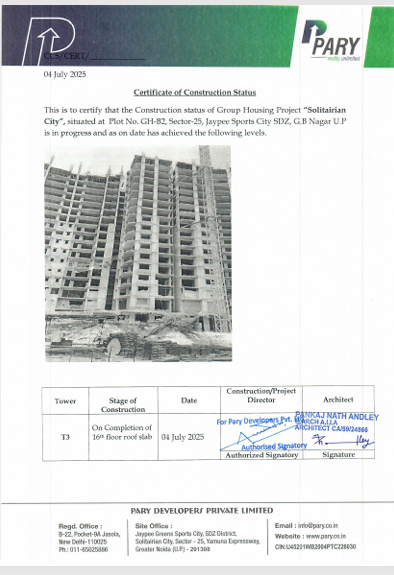
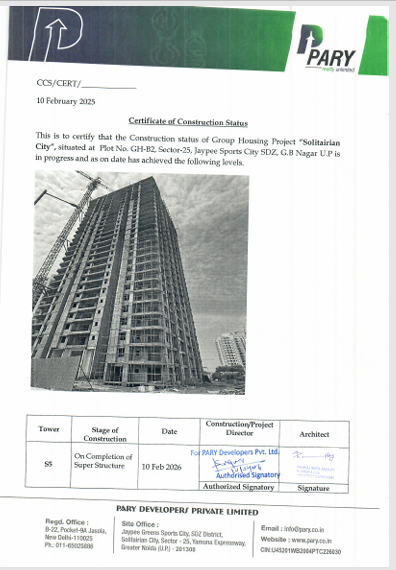
Construction Certificates T2 & T3
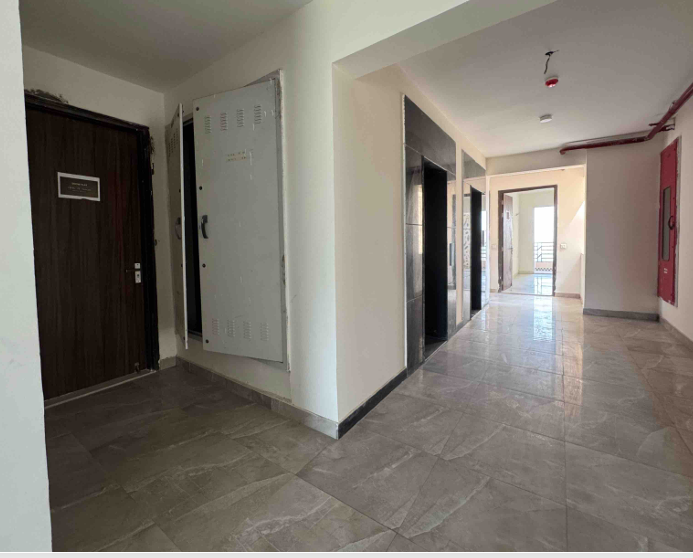
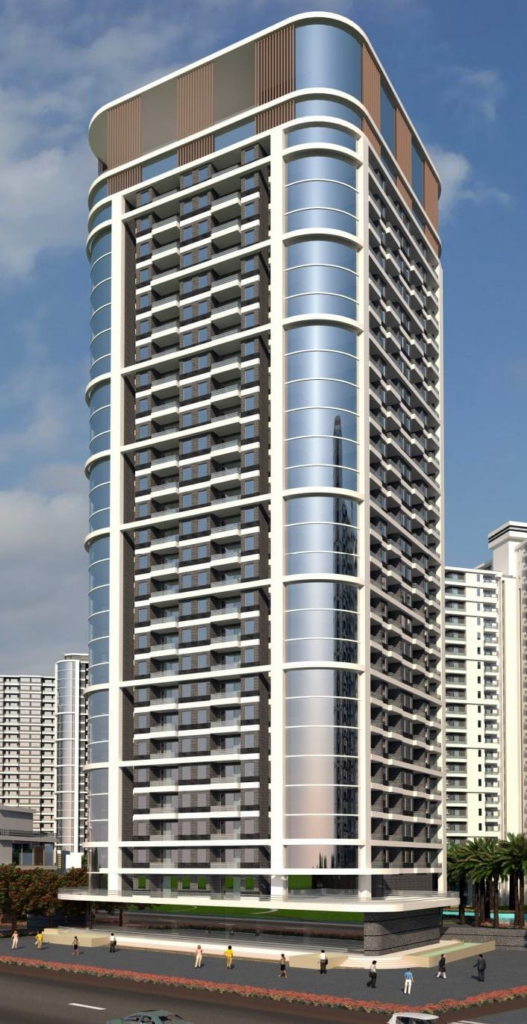
Tower Speed S5 Plan, all 29 floors completed. Finishing going on
2 BHK Super area 1115, Carpet 715.48,Balcony76.85 sft
🌿 A Rare Opportunity to Own a Premium Home at Yamuna Expressway, Delhi NCR
We are delighted to present an exclusive residential offering for Corporate Executives at Solitarian City — a premium development overlooking the iconic Buddh International Circuit, just 309 meters away.
🏡 Project Highlights • 1 BHK – 665 sq.ft. • 2 BHK – 1000 sq.ft. • 3 BHK – 1425 to 1850 sq.ft. • ✅ Occupancy Certificate Applied – Expected by May–June 2026 (Ensuring safety, compliance & complete peace of mind for buyers)
🚀 Historic Development: Formula 1 Coming Back to India
In a landmark announcement on April 13, 2026, Hon’ble Sports Minister Mansukh Mandaviya confirmed the Government’s push to bring Formula 1 back to India by 2027 at the Buddh International Circuit.
What makes this a game-changer: • ✅ Government resolving past tax and regulatory hurdles that led to F1 exit • ✅ Recognition of F1 as a serious sporting priority (not entertainment) • ✅ Active facilitation with Federation of Motor Sports Clubs of India • ✅ Strong possibility of private sector participation (including Adani Group)
🌍 How This Will Transform the Area
The revival of Formula 1 will completely redefine Yamuna Expressway as a global destination: • 🏎️ International Sporting Hub Regular global racing events will bring international attention and tourism • 🏨 Hospitality & Rental Boom Surge in demand for serviced apartments, rentals & Airbnb • 🚧 Massive Infrastructure Push Roads, metro connectivity, commercial zones & urban development will accelerate • 💰 Sharp Property Appreciation Limited inventory near the circuit → High premium for early investors
👉 Very few residential projects in India offer direct proximity to an upcoming global F1 venue.
📍 Strategic Location Advantage • ✈️ Near Noida International Airport (Jewar Airport) – India’s next aviation hub • 🛣️ Prime location on Yamuna Expressway • 🌆 Seamless connectivity to Delhi, Noida & Greater Noida
📈 Triple Growth Engine Driving Appreciation
This micro-market is powered by three simultaneous mega catalysts: 1. ✈️ Noida International Airport – Economic & employment hub 2. 🏭 Global Logistics Hubs – UP Govt MoUs with Japan & Singapore 3. 🏎️ F1 Racing Circuit Revival – Global sporting ecosystem
Additionally, the expected involvement of Adani Group in Jaypee assets is set to unlock large-scale infrastructure and value creation in the region.
👔 Exclusive Offering for Corporate Executives
Specially curated for: • Government & PSU Executives • Petroleum, Coal & Banking Professionals & their family members • Cheapest all inclusive Price @ ₹8,400/- per Sqft + Government Levies and Registration Charges only.
✔ Preferential pricing ✔ Transparent & secure investment ✔ Ideal for both end-use & high-growth investment
🌟 Why Solitarian City? • Low-density, intelligently planned development • Premium layouts with excellent space utilization • Walking distance from a future global landmark • Strong future rental & resale potential
📞 Next Steps
We would be happy to arrange: • A personalized presentation • Site visit • Detailed investment analysis
Kindly share a convenient time to connect.
Warm regards, Saxena
9990623304
Varma
7678480014
contact.pcbs@gmail.com, contact@pcb.net.in
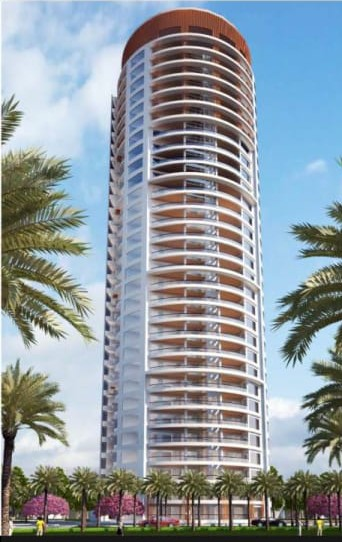
Club House, 3 BHK towers, ground view, Club interors, swimming pool, 3 BHK elevationFrom top, 3 BHK Tower green views
Corporate Housing Proposal: Exclusive Residential Offer for Executives of Airport Authority of India
Premium 2BHK Residences at Solitairian City : A Smart Residential Investment & Lifestyle Opportunity @ Jaypee Sports City, Yamuna Expressway.
We are pleased to present an exclusive residential opportunity for the executives and officers of Airport Authority of India at the premium residential development Solitairian City, having 100% paid-up land. The project has received Best Project award from Builder Council of India & International Achiever Award in Real Estate Category from Zee Group
This modern high-rise residential society offers spacious 2BHK premium apartments designed for comfortable family living, located within convenient driving distance of Noida.
Strategic Location Advantage
• Located at Jaypee Sports City, SDZ-25, Yamuna Expressway, Gautam Budh Nagar—just 309 meters from Buddh International Circuit • Excellent connectivity to: ◦ Eastern Peripheral Expressway ◦ Yamuna Expressway ◦ Upcoming Noida International Airport (set to become operational in early 2026) ◦ Delhi NCR employment hubs This makes Solitairian City an ideal residential choice for working professionals and government executives.
Apartment Options for AAI Executives Premium 2BHK Configurations
Ideal For 2BHK (Configuration) 1000 Sq. Ft. (Super Area) Young professionals / small families
2BHK Large (Configuration) 1115 Sq. Ft. (Super Area) Families seeking extra living space
Both layouts are designed to maximize ventilation, natural light, and modern urban living comfort. (Refer to enclosed floor plans for detailed layouts.)
Key Features of the Project • Modern high-rise towers with panoramic balconies • Elegant entrance lobby and secure gated community • Ample natural light and ventilation in all apartments • High-speed elevators and power backup • Landscaped open areas • Dedicated parking facilities • Family-friendly residential environment
The project is designed to offer a comfortable, safe, and premium lifestyle for professionals and their families.
Exclusive Pricing for AAI Executives:
Market prices range from ₹9,500 to ₹10,000 per sq. ft. We are offering at a special rate of ₹8,400 per sq. ft. all inclusive (including 1 Basement Car Parking + Club Membership + 1.5KVA Power Backup and all PLCs). Government levies like GST & Registration Charges will be charged at actuals. The offer is valid only till 11th May, 2026.
Enclosed: Video compilation with actual project photos featuring our members—Mr. Sharad Sachan (former IPS & Inspector General of Police) and Dr. D K Jha (former Director Medical Services, Coal India).
Home Loan Facility Available For the convenience of executives, Home Loan Facility is available only from Canara Bank, subject to standard eligibility and banking norms. This enables buyers to avail: • Competitive interest rates • Flexible repayment options • Smooth loan processing for salaried professionals
Investment Returns and Future Potential on Yamuna Expressway:
The Yamuna Expressway corridor has delivered exceptional returns, with apartment prices surging 2.5X—from ₹3,950 per sq. ft. in 2020 to ₹10,200 per sq. ft. in 2025—driven by infrastructure boom. Plot prices have jumped sixfold to ₹10,500 per sq. ft. in the same period. With the Noida International Airport inaugurated & operations to start by May 26, multi-connectivity via Delhi-Mumbai Expressway (including the new 30 km Jewar Airport Link awarded to APCO Infratech), and upcoming metro links (buildable in 1.5 years), this area is poised for 20-30% annual appreciation. Businesses like Bikanervala, Kent RO, and Avery Dennison are already investing, signaling a “Gold Rush” for real estate.
Solitarian City offers near ready-to-move-in potential with applied OC application, ensuring high yields for early investors.
Why This Opportunity is Ideal for AAI Executives
✔ Close proximity to Noida Head Office ✔ Spacious modern apartments suitable for family living ✔ Strong future appreciation due to infrastructure development ✔ Easy home loan availability through nationalized bank ✔ Premium residential community environment
With major developments like the Jewar Airport and enhanced expressway links, this location promises significant value growth.
Invitation for Site Visit Executives of AAI are warmly invited to schedule a personal site visit to experience the project, view sample apartments, and understand the investment potential. For further details, floor plans, pricing, and visit scheduling, please contact:
Saxena V M / Varma R General Secretary/ Treasurer Petroleum, Coal and Banking Executives Welfare Society pcb.net.in WhatsApp/Connect: 9990623304 / 7678480014
Or email: contact@pcb.net in
Towers Layout Turbo T2- T3
1000 Sft 2 BHK Carpet Area 631.41 Balcony 76.1sft
Construction Certificates T2 & T3
Tower Speed S5 Plan, all 29 floors completed. Finishing going on
2 BHK Super area 1115, Carpet 715.48,Balcony76.85 sft
Date : Fri, 03 Apr 2026 16:26:26 +0530 Subject : Heading the project… ============ Forwarded Message ============
Dear Saxena Ji,
Further to our brief talk, I would be happy to be the CMD of the proposed development. We would discuss the other important terms of our arrangement subsequently.
Kind Regards,
Brotin Banerjee
Sharing a brief note for governance comfort.
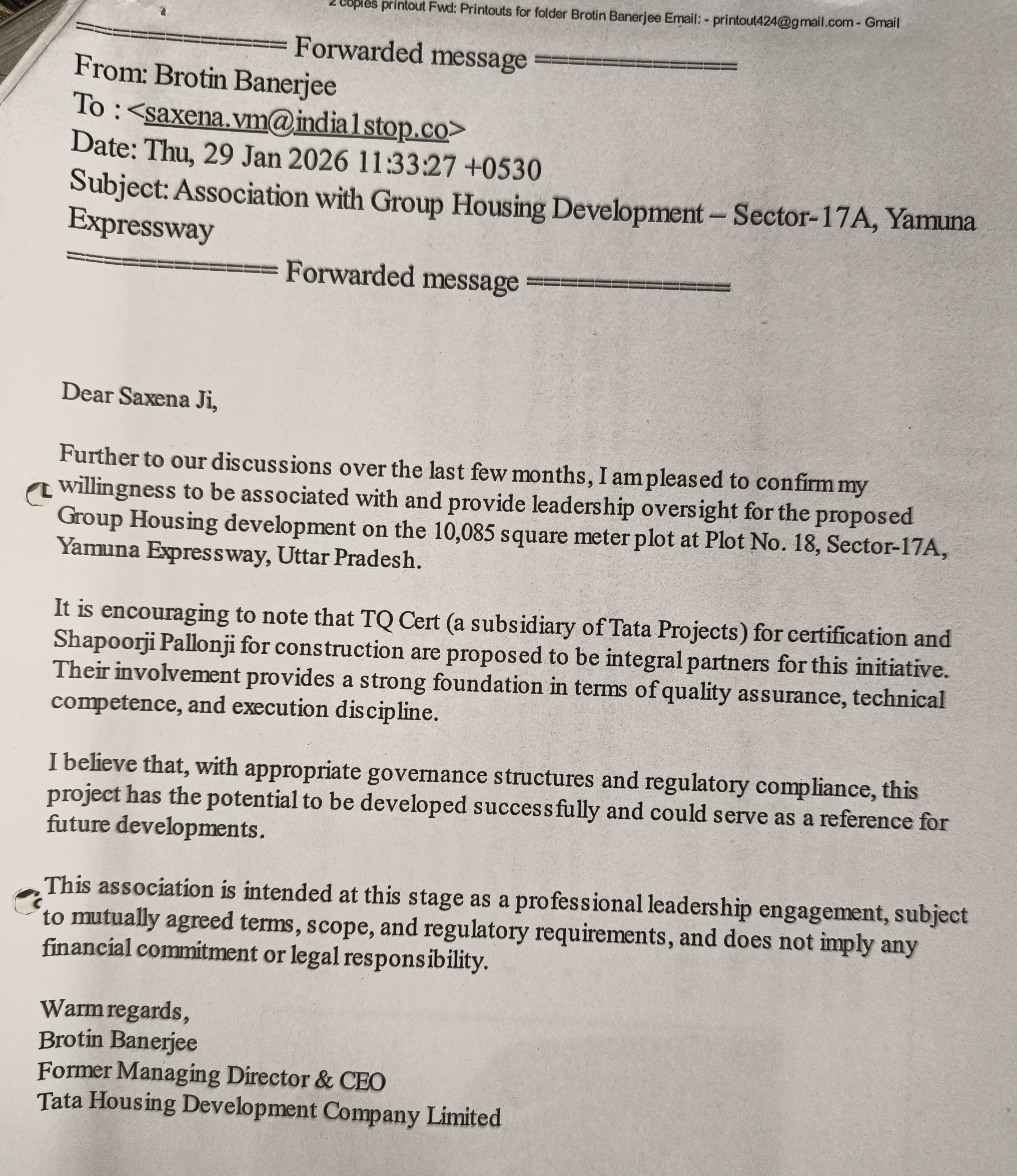
The proposed Yamuna Expressway group housing project is being structured with leadership oversight from Mr. Brotin Banerjee (former MD & CEO of Tata Housing from 2008-2018, who was the youngest MD in the history of the Tata Group at age 34), and technical engagement from TQ Cert (Tata Projects subsidiary), subject to final documentation.
Focus is on compliance, transparency, and institutional-grade execution.
This aligns with our invitation for your association/organization to express interest in participating, enabling your colleagues to join a like-minded government/PSU executives’ society for premium housing at competitive rates near Jewar Airport.
Sharing a brief note for Quality and Timeline Comfort.
As we have already received a construction estimate from Shapoorji Pallonji (for the proposed Yamuna Expressway group housing project), whom we plan to hire for the construction of this group housing plot, subject to final documentation.
Shapoorji Pallonji, a pioneer in Indian construction with a legacy of building iconic structures worldwide including Sultan of Oman Palaces, BAPS Hindu Mandir, Abu Dhabi, the RBI building, and other heritage and legacy buildings.
Focus is on compliance, transparency, and institutional-grade execution.
This aligns with our invitation for you/your association to express interest in participating, enabling government/PSU executives to join a like-minded society for premium housing at competitive rates near Jewar Airport, with strong assurances on quality, timelines, and overall project delivery.
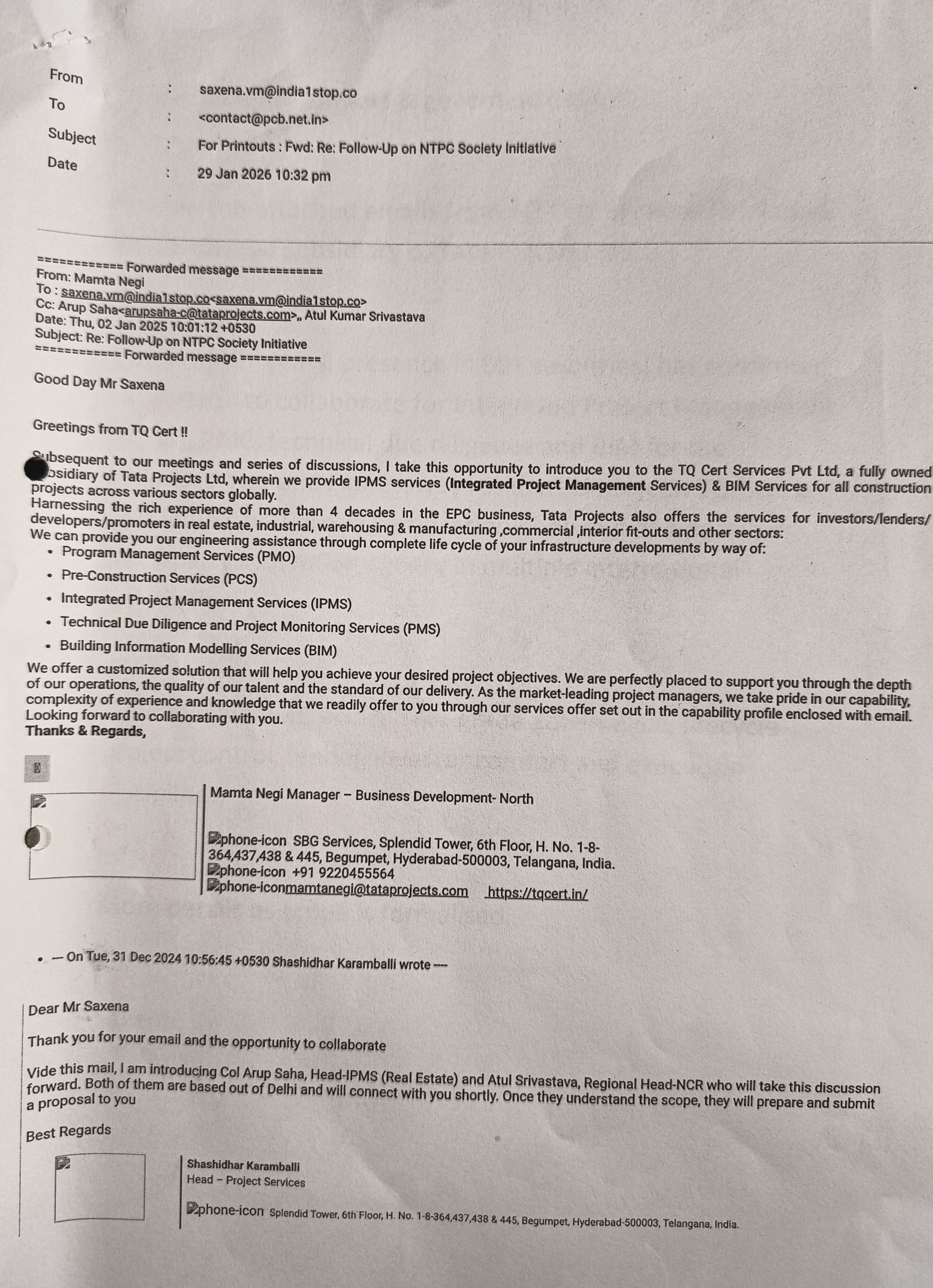
Sharing the attached emails from TQ Cert Services Pvt. Ltd., a wholly owned subsidiary of Tata Projects Ltd.
TQ Cert (40+ years, presence in 50+ countries) has confirmed willingness to collaborate for Integrated Project Management (IPMS), PMC, technical due diligence and BIM for the proposed Yamuna Expressway residential project. TQ Cert is also India’s first drone certification body and an approved third-party inspection agency in multiple international jurisdictions.
Their involvement brings Tata-grade governance, lifecycle project control, lender/investor comfort and execution discipline.
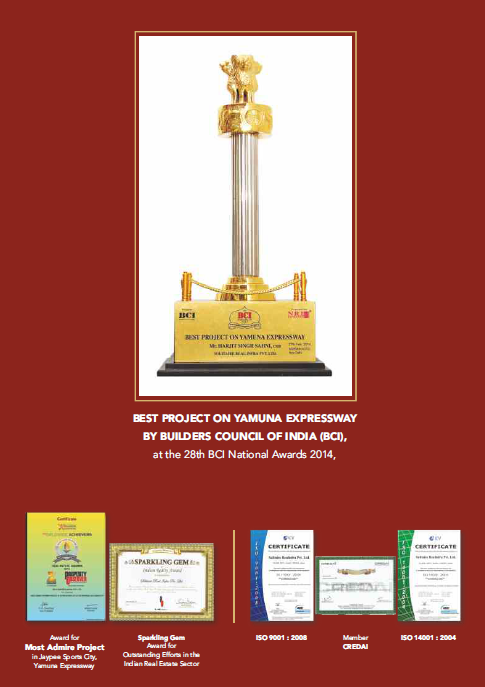
We are thrilled to announce that our previous project has been recognized as the “Best Project on Yamuna Expressway” by the Builders Council of India 🏆. Additionally, we are honored to receive the “International Achievers Award (Real Estate Category)” from the Zee Group 🏆.
✨ What made our previous project award-winning?
Every home was crafted with a singular, uncompromising vision:
☀️ Maximum Natural Light
Sunlight flows effortlessly into every room—from living spaces to bedrooms—reducing dependency on artificial lighting and enhancing daily well-being.
🌬️ Superior Cross-Ventilation Our intelligent floor plans allow free airflow across all corners, ensuring:
Cooler, fresher interiors
A healthier living environment
Reduced energy consumption
🏡 “Zero Dark Corners” Philosophy No dead spaces. No blocked layouts. Every nook and corner receives natural light and fresh air—exactly how a modern home should feel.
🚀 Introducing Our Upcoming Society
We are bringing this same award-winning design philosophy to our newest project. Every future resident can expect: ✔️ Brighter, sun-drenched homes ✔️ Enhanced air circulation ✔️ A healthier, premium lifestyle
💡 Not Just a Flat—A Better Way of Living
When design meets purpose, a house becomes a space that energizes you.
Virtual Tour Now Live – Walk through your future 2/3 BHK flats in our upcoming society at Sector 17-A, Yamuna Expressway:
See for yourself: ☀️ Sun-drenched rooms with maximum natural light
🌬️ Superior cross-ventilation in every corner
🏡 Zero dark spaces – just brighter, healthier living
Perfect for prospective buyers! Share with interested members. 🏆
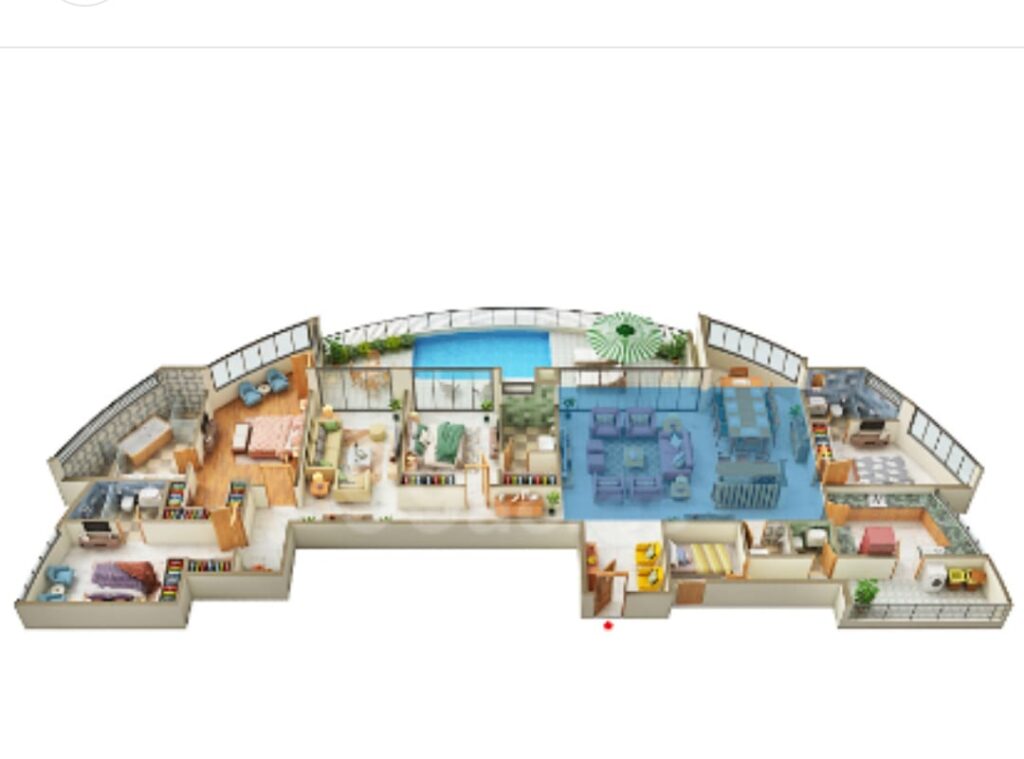
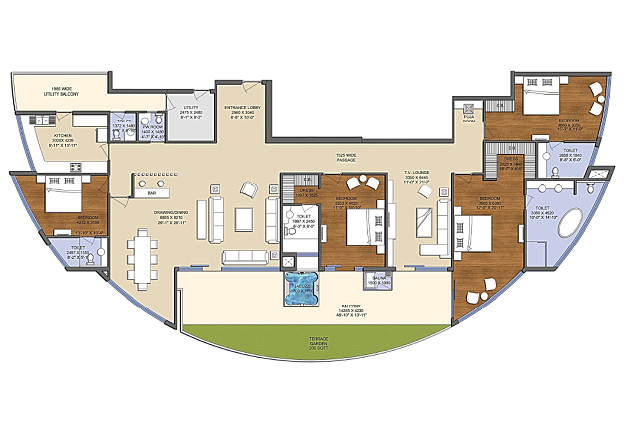
Floor plans and layouts & Specifications :
Awards 1,
Builder Council of India. Best Project Award
Zee World Achiever Award in Real Estate Category
Proposed Tower Design with 4350 & 2400 size
1, 4 BHK 4350
2, 3 BHK 2400
3, 3BHK 2080
4. 3 BHK 1425
2 BHK tower design with 1140-1115
4, 2BHK 1140
6. 2 BHK 1115
SPECIFICATIONS (new project) Living / Dining / Foyer Floor: Engineered wooden flooring Walls: Acrylic emulsion paint (Asian / Berger or equivalent) Ceiling: Same as walls Air Conditioner: Panasonic / Blue Star / Voltas / LG / Samsung equivalent (1.5 ton) Ceiling Fans: Havells / Usha or equivalent Lighting: Adequate lighting fixtures Master Bedroom / Other Bedrooms Floor: Vitrified tile flooring (Kajaria / Johnson or equivalent) Walls: Acrylic emulsion paint (Asian / Berger or equivalent) Ceiling: Same as walls Air Conditioner: Panasonic / Blue Star / Voltas / LG / Samsung equivalent (1.5 ton) Ceiling Fans: Havells / Usha or equivalent Lighting: Adequate lighting fixtures Wardrobe: Veneered All Toilets Floor: Vitrified anti-skid tiles Walls: Vitrified tiles up to ceiling (Kajaria / Johnson or equivalent) Counters: Granite stone Sanitary Ware & CP Fittings: Jaquar / Kohler / Roca or equivalent Ceiling: Acrylic emulsion paint (Asian / Berger or equivalent) Geyser: Havells / Crompton or equivalent (25 litres) Lighting: Adequate lighting fixtures Kitchen Floor: Vitrified tiles Walls: Vitrified tiles up to 3 ft above counter; rest acrylic emulsion paint Counters: Granite stone Fixtures: Modular kitchen (Hettich or equivalent hardware) Hob & Chimney: Faber / Glen / Kaff or equivalent Exhaust Fan: Havells / Crompton or equivalent Appliances: CP fittings (Jaquar or equivalent), ceramic sink with drain board and RO (Kent / Aquaguard or equivalent) Geyser: Havells / Crompton or equivalent (5 litres) Ceiling: Acrylic emulsion paint Lighting: Adequate lighting fixtures Balconies Floor: Anti-skid vitrified tiles Railings: Glass with stainless steel balusters (Saint-Gobain / Asahi or equivalent) Paint: Weathercoat exterior acrylic paint Doors Flush doors with veneer and polish with hardwood door frames Windows UPVC / Aluminum composite sliding or openable, fully glazed Electricals Fire-resistant copper wiring in concealed PVC conduits Modular switches and sockets MCB and RCCB protection systems LED lighting fixtures Adequate lighting in common areas, staircase, lobby, and parking Plumbing Corrosion-free PPR / UPVC pipes for water supply Adequate size PVC pipes for drainage Elevators Each block will have three passenger elevators and one service elevator High-speed elevators (3.0 m/s to 7.0 m/s) Passenger capacity: 15–20 persons Service elevator suitable for stretcher Gas Pipeline Provision for future piped gas connection EVCar Charging Charging point in one parking space Wall Putty All internal walls finished with smooth wall putty before painting Exterior Paint Weather coat acrylic emulsion paint (Asian / Berger or equivalent)